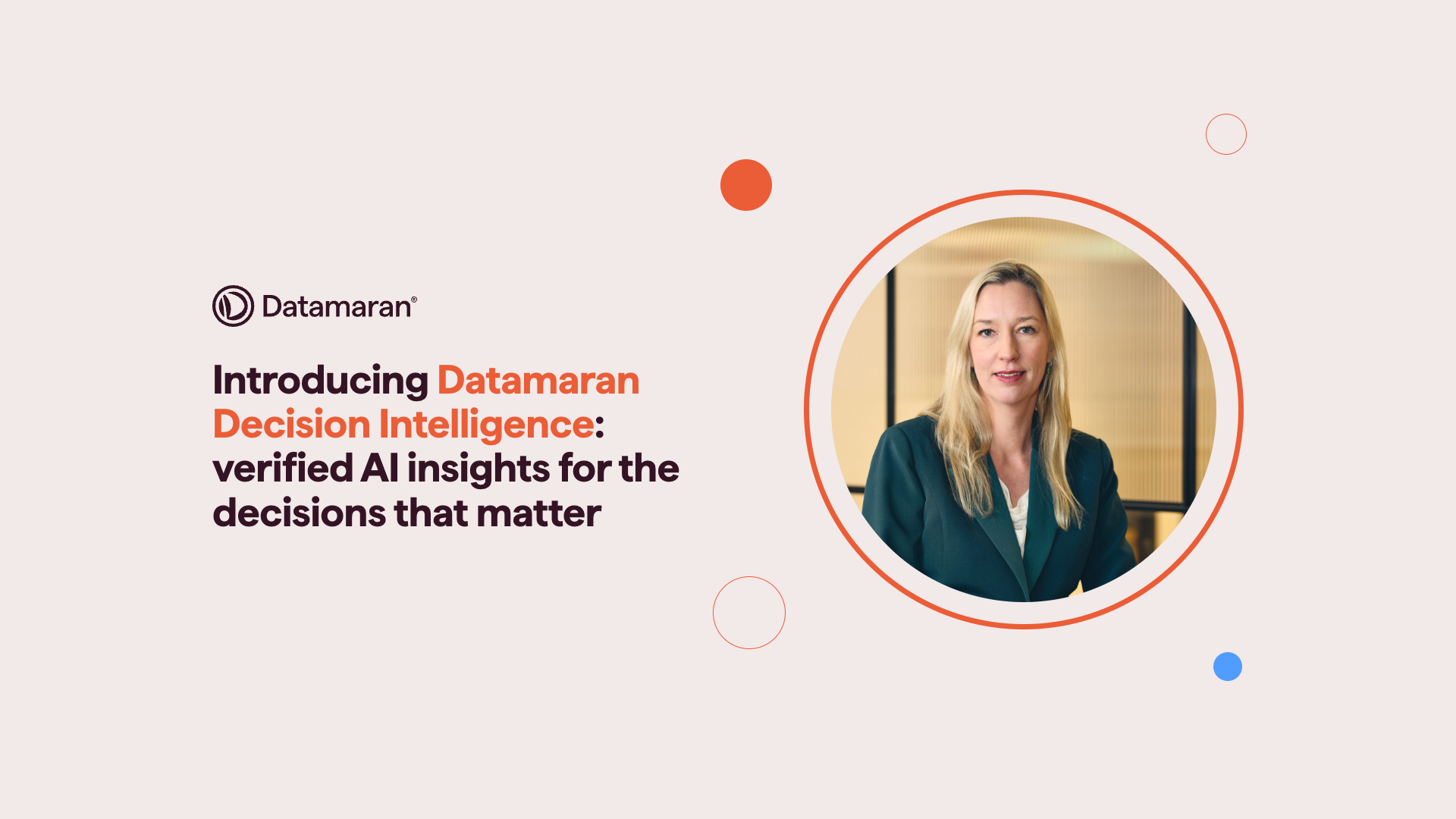
The sustainability team is changing. So are we.
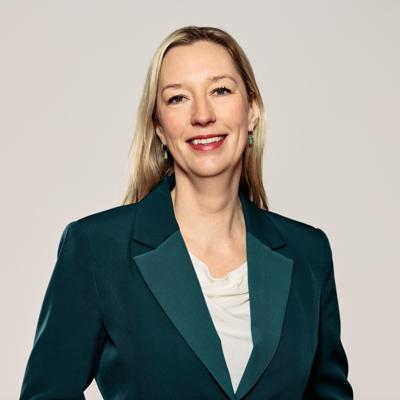
Our CEO explains why Datamaran is refounding: to help stretched sustainability teams turn emerging non-financial risks into shared business priorities across risk, legal, and finance.

In 2005, as a student in Groningen (Netherlands), I convinced GlaxoSmithKline to spend part of its CSR budget so we could organize World AIDS Day in our city. I remember exactly when it clicked for me: a company putting real resources behind a huge societal problem, and it actually made a difference. That fire never went out. It's why in 2014 I started Datamaran: I was convinced companies should have information at their fingertips that would lead them into the future, looking not just at short-term finance, but also at the longer-term societal issues that would inevitably impact them too.
Twenty-one years on, I keep coming back to that moment in 2005. Budgets for this work are being cut, and the question is no longer whether companies should put real resources behind these issues, but who inside the company has visibility over the problems that matter. That’s why we are refounding Datamaran. As our client, you deserve to hear the why from me, in my own words.
Two shifts we can't ignore
First, sustainability doesn't carry the regulatory and political weight it did a couple of years ago. Omnibus pulled thousands of companies back out of CSRD scope, and the SEC moved to rescind its climate rule altogether. The risks didn't retreat –but the mandate did.
Second, the profession itself is under pressure. There are fewer chief sustainability officers, fewer of them report to the CEO, budgets have been cut, and teams are being folded into finance, risk, legal, or operations. Many of you have told me it's been a tough year. We’ve felt it too, and it pushed us to ask: what’s our next move?
Sustainability topics are being spread across the business, and with this I fear that they're being diluted rather than truly picked up. When a sustainability team shrinks, the work usually falls back to pure compliance.
What gets lost is the early-warning job many of you did for years: spotting the activist campaign before it became a big thing, reading the draft regulation before it became law, understanding the topic deeply before anyone else did.
So the question at Datamaran that we keep asking ourselves is how to help stretched sustainability professionals. How can we help you activate your colleagues, so that risk, legal and/or finance take on some of that burden? Ultimately, so that these issues are still looked at strategically, assessed and acted on as business risks, not just items to report on.
What refounding Datamaran means
Twelve years in, it would be easy to tweak a few things and call it a strategy. But this isn't a moment to adjust at the margins. That's why we're calling it a refounding — in many ways, the profession is refounding itself too.
- We're going where the decisions are made now. Our roots are with sustainability professionals, and that's not changing. But we're building for risk, legal, finance, and procurement too, and for the collaboration between all of you.
- Regulatory monitoring first, as part of a suite. Nobody waves away "this may become law" as ideology, which is why regulatory monitoring survives every budget round. It's now a product in its own right, and the first building block of a suite for legal, risk, and sustainability teams, watching the pipeline, not just what's enacted, rollbacks included. If the last 18 months taught us anything (hello, Omnibus), it's that the pendulum swings both ways.
- From long-term value to real-time non-financial risk. Helping companies see and respond to risks as they emerge, not only when the next reporting cycle comes around.
- AI-native, from the ground up. From software you operate to agentic AI that monitors, filters, and translates signals for you.
Why I'm excited about AI
I'll admit it: this is the part that gets me most excited. AI changes what's possible, but only if what goes into it can be trusted. Anyone can point a chatbot at the internet. Not everyone can tell you where the answer came from.
So we're doubling down on our data sets, keeping them contained and curated so you can trust what comes out. That's what makes trend spotting, replicability, auditability, and explainability possible, none of which are nice-to-haves when the output ends up in a risk register. What started in our Decision Intelligence Unit is now the product vision for all of Datamaran: more agents, our expertise on top, and the information you need in whatever format you need it.
And there's a real gap to close. Legal teams typically don't look at non-financial topics until they're about to become law. Risk registers are built for things measured in dollars and probabilities, so softer topics get squeezed into a box that doesn't fit, or left off entirely. Bridging both is where our excitement, and our effort, has to go.
What this means for your DMA and risk prioritization
Many of you run your double materiality assessment (DMA) with us, and it’s often one of the main reasons clients have chosen us. So let me be specific: We remain fully committed to helping you do it rigorously.
What’s changing is what happens next: We’re continuing to build Datamaran into a risk platform that takes your DMA beyond compliance, turning its insights into shareable outputs for strategy-setting and risk management. These outputs get used across the business for decision-making: risk feeding the risk register, legal checking the regulatory pipeline, and the C-suite prioritizing the handful of issues that really matter.
What this means for you
To our clients: we see you, and we commit to continuing to support you. I also know there's been frustration. The past 18 months have been tough for you – and for us too. We tried to support you as best we could, but we couldn’t always be 100% clear on what the next move should be.
That has changed. With our new leadership team in place, I’m very excited about the new direction, the rebrand, and this refounding. The people who understand the importance of these non-financial risks are still you, the sustainability professionals. So we'll start with your day job: meeting what you need every day, and helping you open doors internally so these topics get the attention they deserve, as part of real business risk and opportunity management.
So here's my ask: come along with us and let’s work together again. Help us make the case inside your organizations that material risks and opportunities aren't just the sustainability team's job. They belong to risk, legal, and finance too, and what's found needs to reach the C-suite. We can build the tools, but we can't do it without you. Tell us what works and what doesn't, and join the Decision Intelligence Unit if you want a hand in shaping it.
And for everyone else reading: has your sustainability team shrunk, moved, or quietly become everyone's job? Who's watching the horizon now?
– Marjella